_1786027276804-DmIXnBiV.png)
Raving fans.
Last week I was on a call with one of our customers — a solo operator running a busy service business — and she told me something I haven't stopped thinking about.
She said she reads the conversations her AI receptionist has with customers out loud to her husband at dinner. Not because she has to. Because she finds them genuinely delightful.
That's a raving fan. And it doesn't happen by accident.
Jeff Bezos has a quote I come back to often: "We see our customers as invited guests to a party, and we are the hosts." Amazon built one of the most valuable companies on earth around that sentence. Not around their technology. Not around their logistics. Around customer obsession.
Here's what I've learned from talking to operators: most businesses are customer-aware, not customer-obsessed. They know what customers complain about. They don't always know what customers actually need.
The difference shows up in the questions you ask. Here are five that I think surface what customers actually need — not just what they say they want:
- What were you hoping would happen when you reached out? — Not "what's your problem," but what outcome were they imagining.
- What almost stopped you from calling? — Fear, friction, a past bad experience. This one surfaces your real competition.
- What would make this feel effortless? — Customers know exactly where the effort is. They're just rarely asked.
- What have you told a friend about us? — This is your actual value proposition, in their words.
- What do you wish we did that we don't? — The product roadmap you didn't know you had.
You don't need to ask all five in one conversation. Start with one. Pick the customer who loves you most and ask them something real. The answers will surprise you.
Raving fans don't come from good service. They come from feeling genuinely understood. Start there.

Learn how to actually use AI in your business.
One session coming up — set up and run open source AI models live, start to finish.
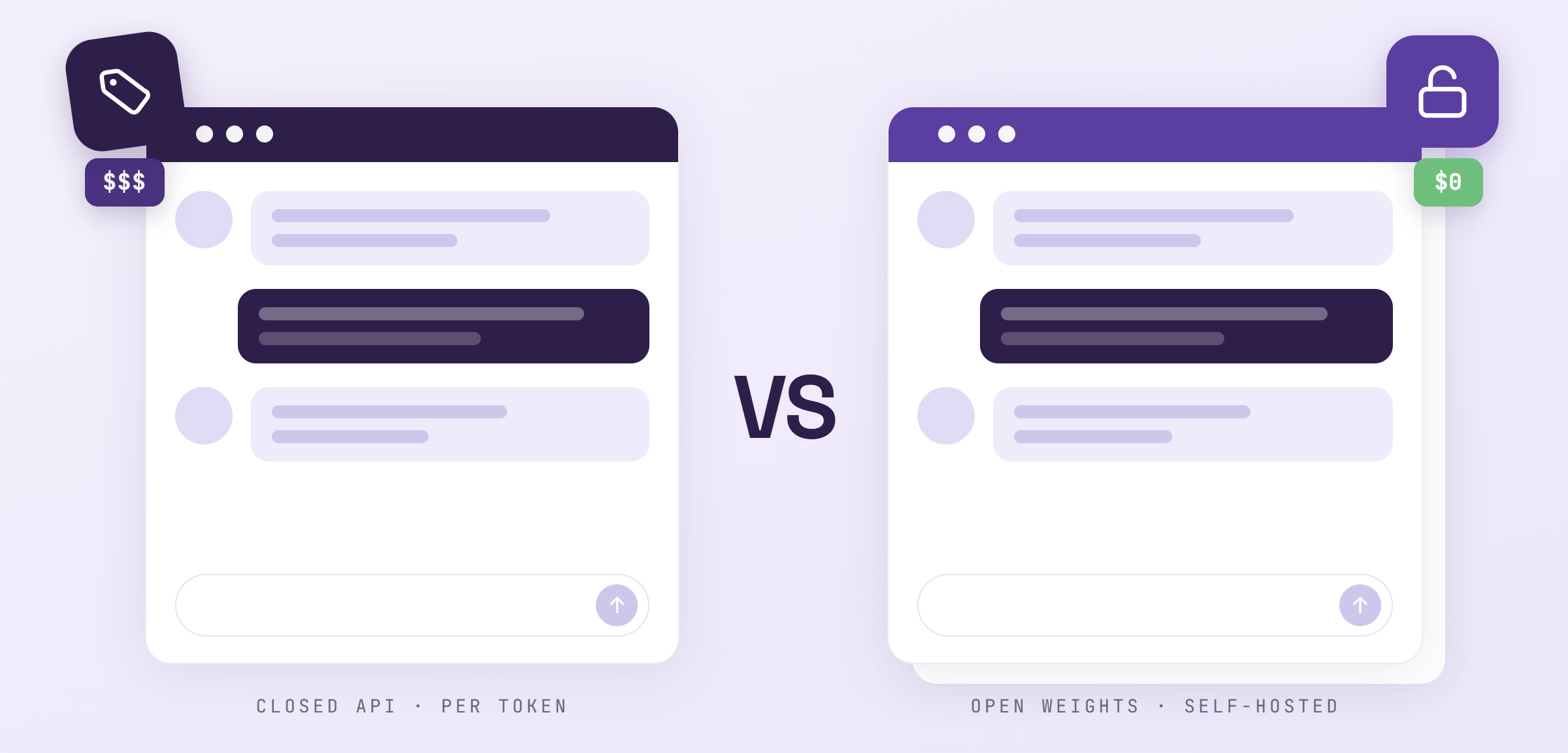
We'll take free, open source models from names like Google, Meta, and DeepSeek and set them up start to finish, on screen, so you can see exactly how it works. Then we'll show you when running your own model actually makes sense for a business your size, and when it doesn't.
You'll leave with the exact setup steps and the comparison checklist we used — so you can run the same test yourself and decide whether owning beats renting.
Here are the best insights our team found from across the web this week.
There is more AI news than any operator has time for. So we read it so you do not have to.
"You are a skeptical potential customer for [business name], a [type of business]. Your job is to find every reason NOT to hire us. What would make you hesitate? What are our weakest points compared to alternatives? What would a bad review of us say? Be honest and specific."
Why it works: Most businesses ask AI to help them sell. This one asks AI to help you see what customers see when they're on the fence. The objections it surfaces are real — because they're the same ones floating in your customers' heads before they decide. Use the output to sharpen your pitch, fix your weak spots, or write better FAQ copy.
Our take: This is where a lot of industries are heading, whether they plan for it or not. The businesses that will win aren't the ones that automate everything — they're the ones that figure out which moments need a human touch and make that the product. If you run a service business, your personal attention is the upgrade. AI handles the volume; you handle the moments that matter.
Our take: The most effective defense isn't technical — it's procedural. Establish a verbal code word with your team or family for urgent requests. Require a second channel to confirm any wire transfer or sensitive action, no matter how convincing the first request sounds. Scammers are using AI to move fast and create panic. A pause and a phone call breaks the whole scheme. Read: FBI 2025 Internet Crime Report →
Our take: This is the version of AI that operators have been waiting for. Instead of copy-pasting content into a chat window, you point Claude at the folder where your work actually lives. It can draft from your own templates, reference your own files, and work in the context of your actual business. If you've been frustrated by AI that feels disconnected from how you work, this is worth trying.

That's it for today. See you soon.
Brian, Murphy, John, Beth, and Jake — some of the humans behind AI Front Desk.