Why vibe coding is so addicting.
A while back I built myself a "second brain." It's a little system that keeps track of everything I'm working on and even writes me a summary at the end of the day. I didn't hire a developer. I just described what I wanted to an AI, and it built it. I still use it every day.
That's "vibe coding": building software by talking to an AI instead of writing the code yourself. And I'll be honest, it's addicting. Last week I looked up and it was 3am, nine hours into building something I didn't strictly need.
Here's why it hooks you.
It's the same wiring as video games and social media. Part of it is the chase — you keep going back for the next clever thing it gives you. But the bigger pull is simpler. The AI never stops encouraging you. Every idea you float, it tells you is brilliant. You feel like a genius.
The most dangerous thing an LLM can say to you is "that's a great idea." Because it'll say it about your worst ideas too. It's a hype man, not a critic.
A few days ago I shipped a batch of website changes that looked flawless in the preview, and my AI and I were very proud of ourselves. In production, a bunch of our pages started loading blank. Google and the AI tools couldn't even read them. Not once did my very encouraging assistant say "hey, this might break." It just kept telling me it was great.
This isn't only a coding thing, either. The same loop runs every time you brainstorm with ChatGPT. It agrees, you feel smart, you keep going.
I'm not telling you to stop. I vibe code constantly and I love it. I'm telling you to notice the feeling. When the AI says your idea is brilliant, that's not judgment, it's a reflex. Keep a real human in the loop. Ask it to argue the other side. And remember the only honest feedback comes from reality. A real customer, a real deploy, a real result.
Build fast. Just don't let the applause make the decisions.

Learn how to actually use AI in your business.
Two upcoming sessions — one on reviews, one on open source models.
Reviews are one of the first things people (and AI) check before they pick you. Reply fast and sound human doing it, and you win the next one.
By the end of this session, you'll know how to turn any review into a warm, on-brand reply in under a minute. You'll leave with the guide and the prompts to handle every review, good or bad.
We'll take free, open source models from names like Google, Meta, and DeepSeek and set them up start to finish, on screen, so you can see exactly how it works. Then we'll show you when running your own model actually makes sense for a business your size, and when it doesn't.
You'll leave with the exact setup steps and the comparison checklist we used — so you can run the same test yourself and decide whether owning beats renting.
Here are the best insights our team found from across the web this week.
There is more AI news than any operator has time for. So we read it so you do not have to.
Our take: Start tiny and internal. Build one little tool that kills a repetitive task, use it yourself for a week, and see how it feels. It's the fastest and most fun way to learn what AI can really do for your business. But know the ceiling. The code these tools produce is usually fine for a scrappy internal tool — and a real problem the moment you try to turn it into a serious, customer-facing app. So vibe code the small stuff yourself, and leave the production builds to people who do it for a living.
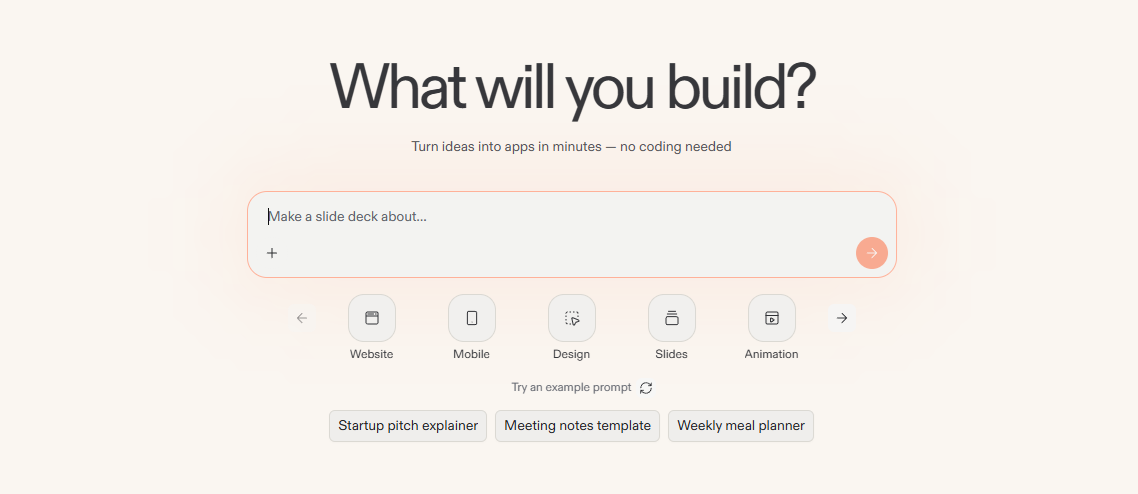 Try Replit →
Our take: This isn't "AI makes you dumb" — the lead researcher has publicly begged people to stop saying that. It's simpler and more useful than that. Your brain builds the muscle when it does the reps. So do the thinking first: rough out your own answer, your own draft, your own plan — then bring AI in to sharpen it. Think with it, not instead of it, and you keep both the muscle and the leverage.
Our take: Same lesson, flipped. AI that does the thinking for you quietly costs you the skill. AI set up to make you think can supercharge it. The difference isn't the tool, it's how you point it. So ask it to coach you, question you, quiz you — not just answer you.
Our take: You almost certainly don't need to buy this. But when Lloyd's starts underwriting a risk, that's the market quietly telling you the risk is real. What you actually need isn't a policy — it's guardrails: a clean, current knowledge base, a bot that only handles your top few questions and passes the rest to a human, and someone actually reading what it tells people. The biggest risk with AI is trusting it too much.

That's it for today. See you soon.
Brian, Murphy, John, Beth, and Jake — some of the humans behind AI Front Desk.