Don't boil the ocean.
Last week the point of my note here was simple: pick one thing. To see real gains in your business, point AI at a single task instead of trying to boil the whole ocean at once.
Simple to say. Weirdly hard to do.
The mistake I see most often isn't picking the wrong thing. It's picking five. You get one workflow kind of working, you feel the spark, and by Friday you're trying to automate the whole business. Two weeks later you've got a pile of half-built experiments and nothing you'd actually stake a customer on.
Don't spread yourself across five things. Get one working, all the way, before you touch the next.
Here's how to pick the one: Look for the task you do over and over, that's low-stakes if it comes out wrong, and where you can tell good from bad in about two seconds. The quote you keep rewriting. The membership question you answer ten times a day. The weekly recap nobody has time to send. High-frequency, low-risk, easy to judge. That's your first one.
(If you're not sure, join us on July 9th to start with time/task management.)
Then stay on it until it's actually done. And "done" means you've run it ten times and shipped the output without touching or correcting it. Not "wow, that's cool," but fully reliable.
That last mile is the boring part, which is exactly why most people quit before the payoff.
And the payoff is real. Fifteen minutes a day back is sixty-plus hours a year. From one task.
Only then do you move to the next one. Write down how you did it, hand it off if you can, and go again.
That's the frame this week. Not more tools, not more experiments. One task, carried all the way to reliable, while everyone else stacks up half-built ideas.

Learn how to actually use AI in your business.
If you haven't picked ONE thing yet, this is a great place to start.
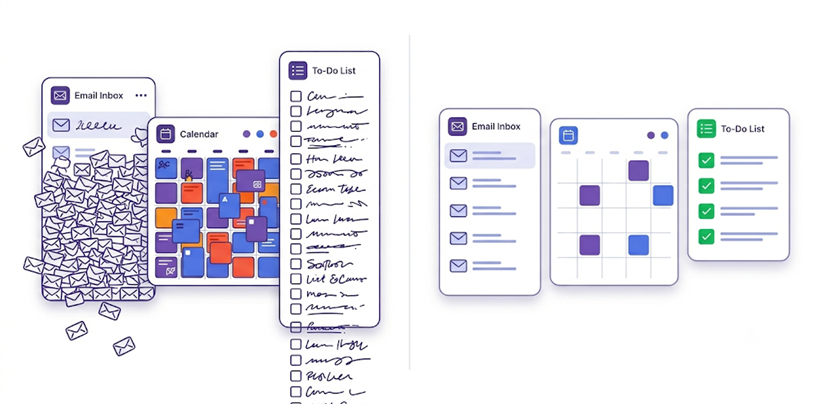
You can't claw all of that back at once. But the inbox and the calendar are where most of the day leaks out, so that's where one good AI workflow pays off fastest. That's exactly what we're digging into on July 9th.
After the session, you're invited to stay on the call to build your own workflow with our team. We'll help you get everything set up and working before your next meeting.
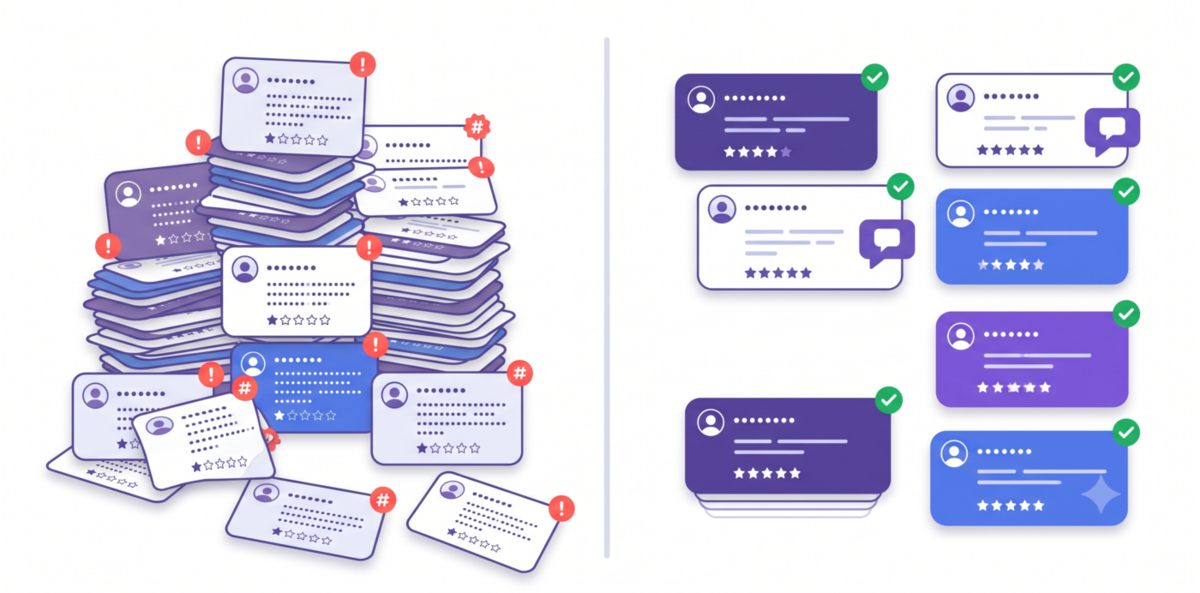
Replying to reviews isn't politeness, it's revenue. Womply analyzed 200,000+ small businesses: respond to at least 25 percent of your reviews and you earn 35% more than average. Respond to none and you earn 9 percent less.
Reviews are one of the first things people (and AI) check before they pick you. Reply fast and sound human doing it, and you win the next one. By the end of this session, you'll know how to turn any review into a warm, on-brand reply in under a minute, plus the guide and prompts to handle every review, good or bad.
Here are the best insights our team found from across the web this week.
There is more AI news than any operator has time for. So we read it so you do not have to.
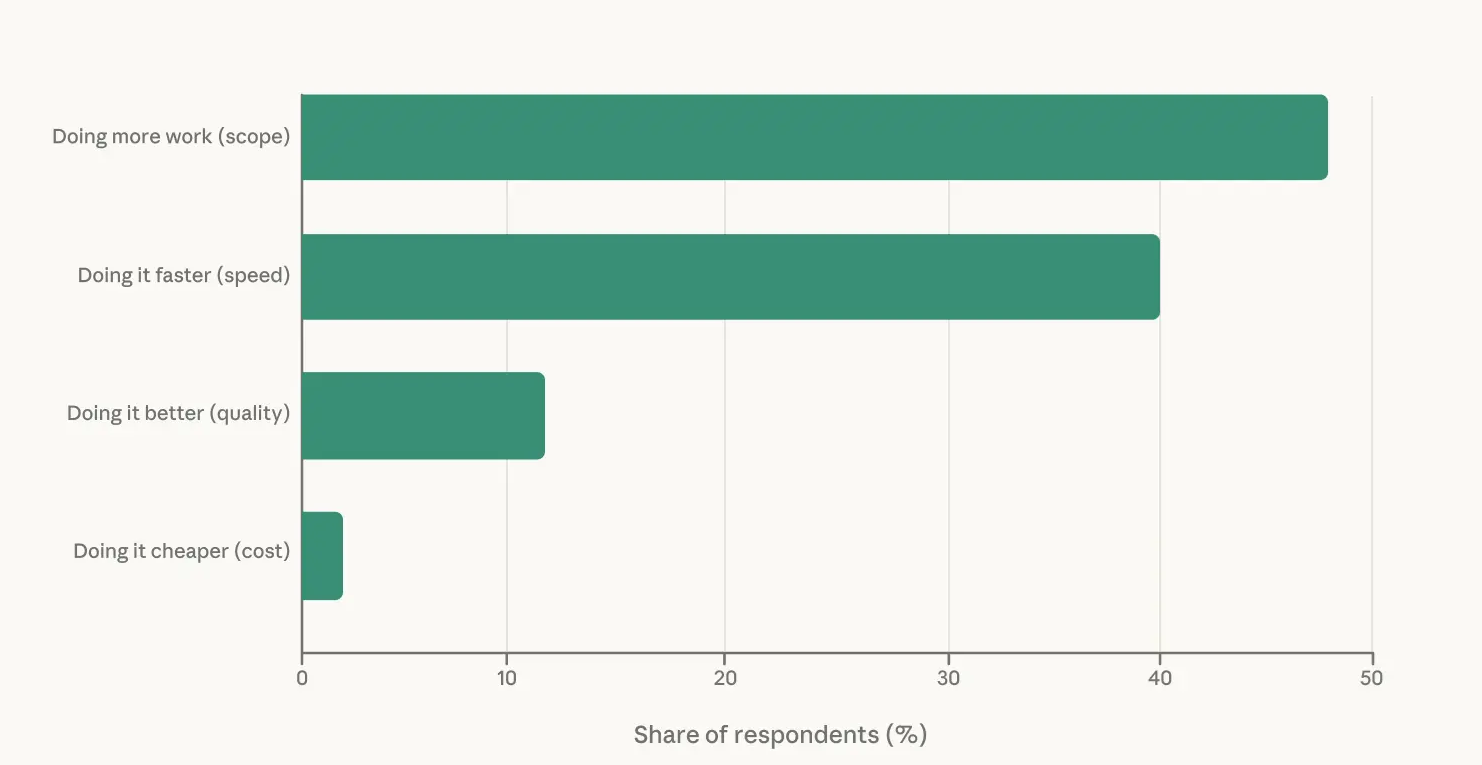
Our take: More Work ≠ Better Work. Look at the shape of that chart. Nearly everyone is using AI to do more and do it faster, but only about 1 in 8 say the actual quality went up, and almost nobody is saving money. Speed and volume are the easy wins. AI hands those to you on day one. Quality is the hard part, and it's also the part your customers actually feel. Grind on it until the quality is undeniable. Doing more is table stakes now. Doing it better is the edge almost nobody has yet, which is exactly why it's worth chasing.
Our take: You don't need Wingstop's budget to steal the idea, just the discipline to stop blasting one offer to your whole list. Pull your booking or POS data and split customers into three buckets: Regulars, Lapsed, Brand-new. Then send each a different note — a thank-you to the loyal, a "we miss you" to the lapsed, a strong first-visit hook to the new. Claude or ChatGPT will do the sorting from a spreadsheet in minutes. Same list, three offers, far more money back than one blast to everyone.
It's free, just open NotebookLM, make a notebook, drop in a doc, and click Generate. The real use isn't the novelty, it's getting everyone on the same page. Turn a new procedure or your onboarding guide into a 10-minute episode the whole team can listen to on the drive in, so day one starts with everyone already working from the same playbook. New SOP drops, and by end of day it's in everyone's ears.

That's it for today. See you soon.
Brian, Murphy, John, Beth, and Jake — some of the humans behind AI Front Desk.